Outline and cutting
Send the outer contour of each item and the quantity of identical parts. Identify separate components in a set. State whether the layout on the sheet may change and whether the surface pattern direction matters.
 +7 499 666-62-43
CORDTEX CARBON · MANUFACTURING
CNC machining of carbon sheets to your geometry. We start with the drawing and application, then agree the batch contents and delivery method.
Discuss CNC machining What to prepare for a quotation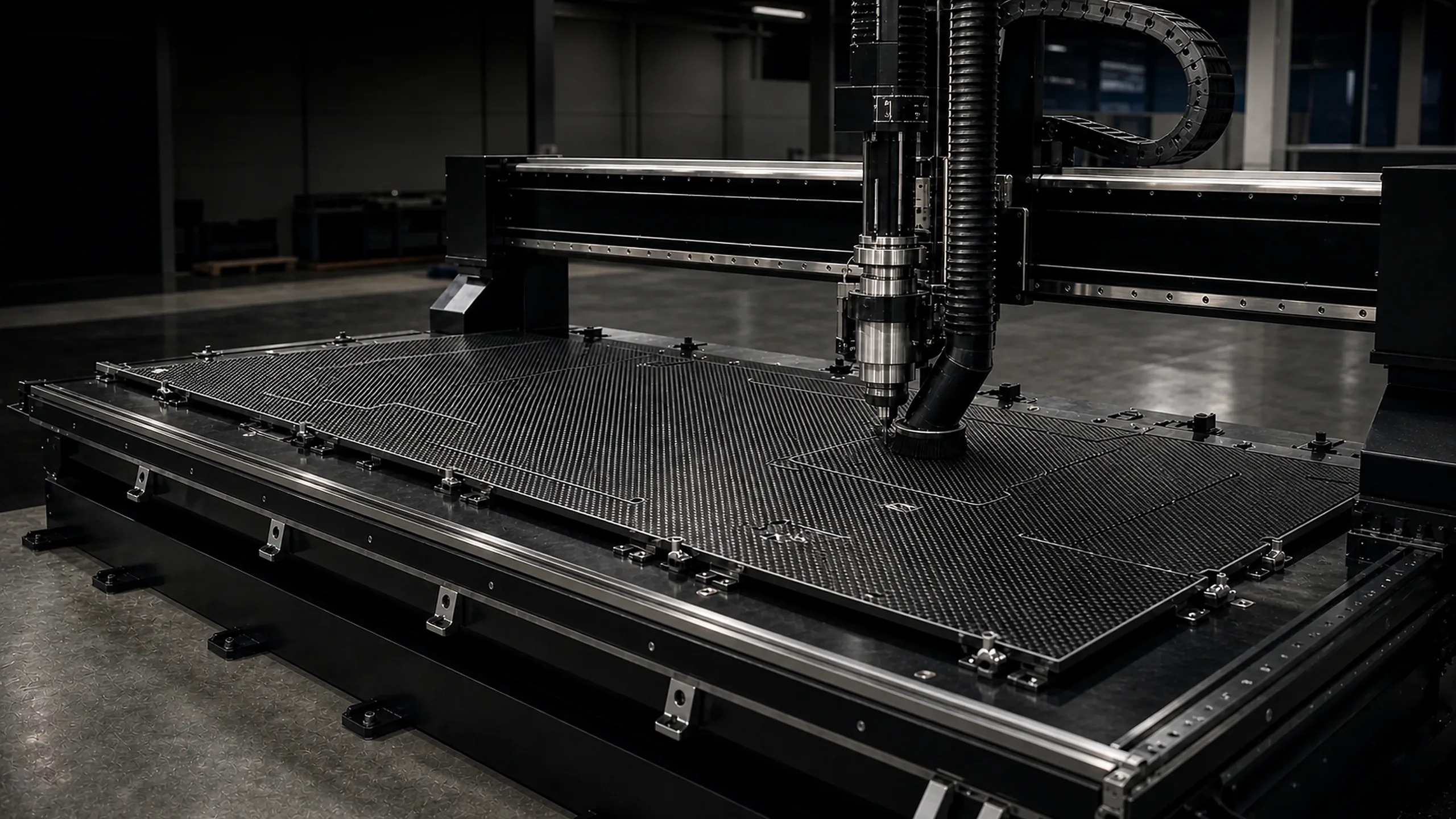
01 / CORE SERVICE
A milling quotation starts with the finished result: where the part is installed, what it connects to and which dimensions determine assembly. These details support a practical machining discussion even before the documentation is complete.
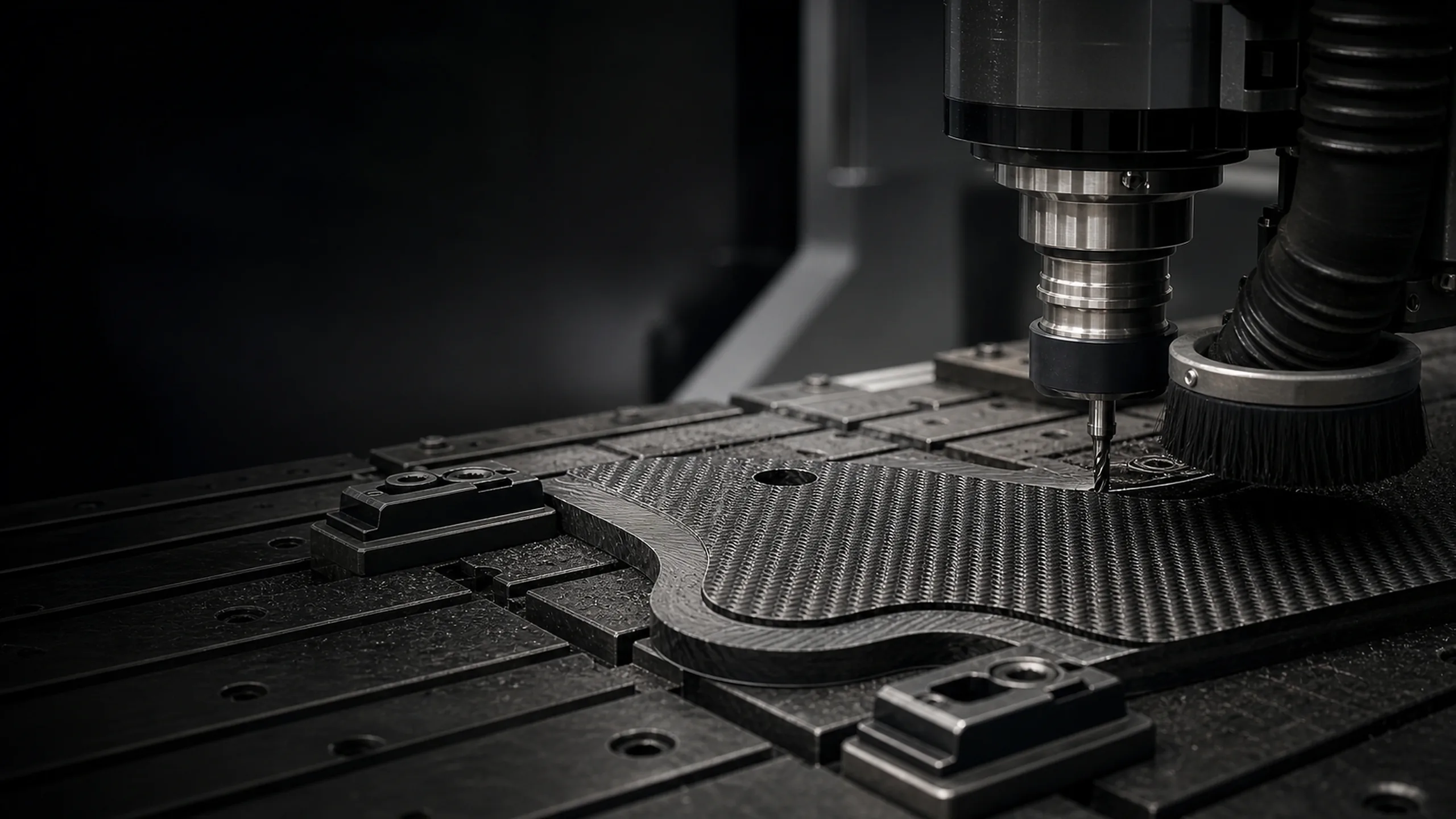
We work with carbon sheets in different sizes. Thickness, blank dimensions and machining requirements are agreed for your project.
Send the outer contour of each item and the quantity of identical parts. Identify separate components in a set. State whether the layout on the sheet may change and whether the surface pattern direction matters.
Mark fixing holes, slots, fitting areas and distances between them. An adjacent part or assembly drawing is particularly useful: it shows which features must align after manufacturing.
Mark visible edges, contact areas and exposed faces. Add edge finishing, appearance and additional operation requirements as separate drawing notes.
Instead of asking for maximum precision, identify the dimensions on which the assembly depends. Tolerances and inspection methods are agreed for the specific part. We do not specify a universal accuracy for every sheet and geometry in advance.
We manufacture pre-series test samples from carbon sheets. Before ordering the main batch, you can check the part in your assembly, assess mating features and refine the drawing. Sample quantities and requirements are agreed for the project.
Sheet dimensions alone do not determine manufacturing feasibility. Before quoting, the part shape, material thickness, internal cutouts and required result must be considered together. Mark any unknown parameter as an open question.
02 / PREPARING THE BRIEF
Combine geometry and explanations into one clear package. There is no need to guess processing conditions: describe the application and mandatory requirements for the first discussion.
Submit your project for assessmentSpecify units, attach the correct contour revision and include a reference dimension. State carbon sheet thickness separately: a top view alone does not communicate every blank requirement.
For a 3D project, attach the model with notes on critical areas. Check that the model and drawing are the same revision. List any differences before requesting a quotation.
Mark tolerances, edge requirements and part identifiers on the drawing. For a set, add an item list with quantities: a total without a breakdown may be ambiguous.
Start with a sketch, a sample photograph and the application. Show the main dimensions and connections. This helps identify the documentation still needed for further assessment.
Include the part identifier and revision in file names. This is particularly useful when holes, thickness or batch contents change after a discussion.
Download the project checklist03 / FROM QUOTATION TO DELIVERY
Order terms relate to a specific set of parts. The minimum quantity is discussed individually, and timing depends on the batch and logistics. State both the quantity and the date by which you need the result.
List each item, its quantity and whether repeat orders are planned. State if you need pre-series samples for testing first. Their scope and the minimum batch are agreed during the project discussion.
We need the material and thickness, geometry, operations, quantity and inspection requirements. Separate any alternatives, such as different thicknesses or quantities of the same item.
State the destination city and acceptable transport methods. Manufacturing and transit times are discussed separately. A delivery date can be agreed once the batch and ground or air transport are defined.
The agreed brief must identify the drawing revision, material, quantity and acceptance criteria. List holes and mating features requiring inspection separately. If geometry changes after the quotation, reconfirm the work scope and timing.
04 / OTHER AREAS
A project may start with material selection as well as machining an existing sheet. The guides below introduce each area; detailed process information is available on separate pages.
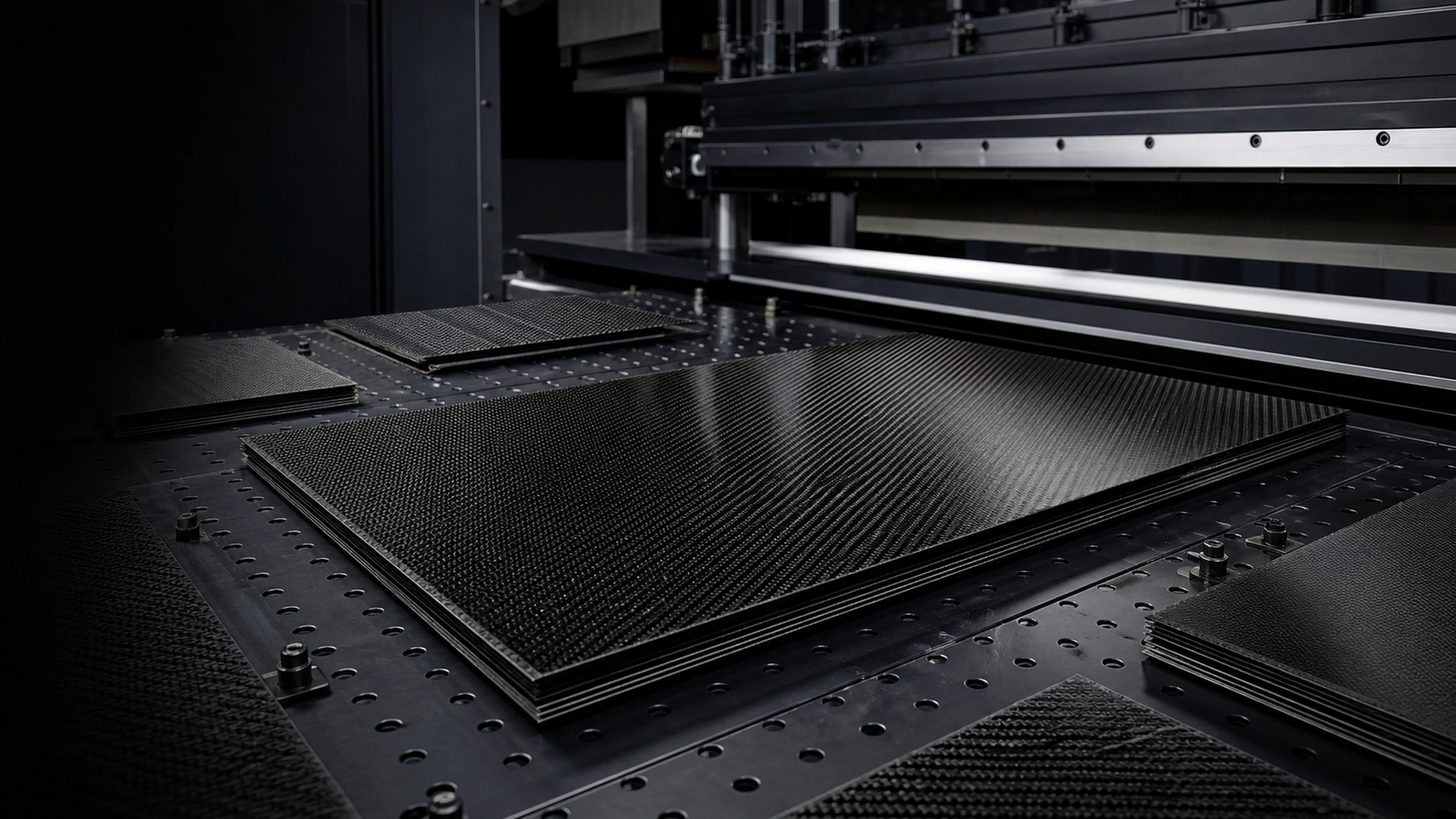
Specify sheet size, thickness and surface requirements in advance. The detailed page explains which material parameters to agree before ordering and subsequent cutting.
How carbon sheets are made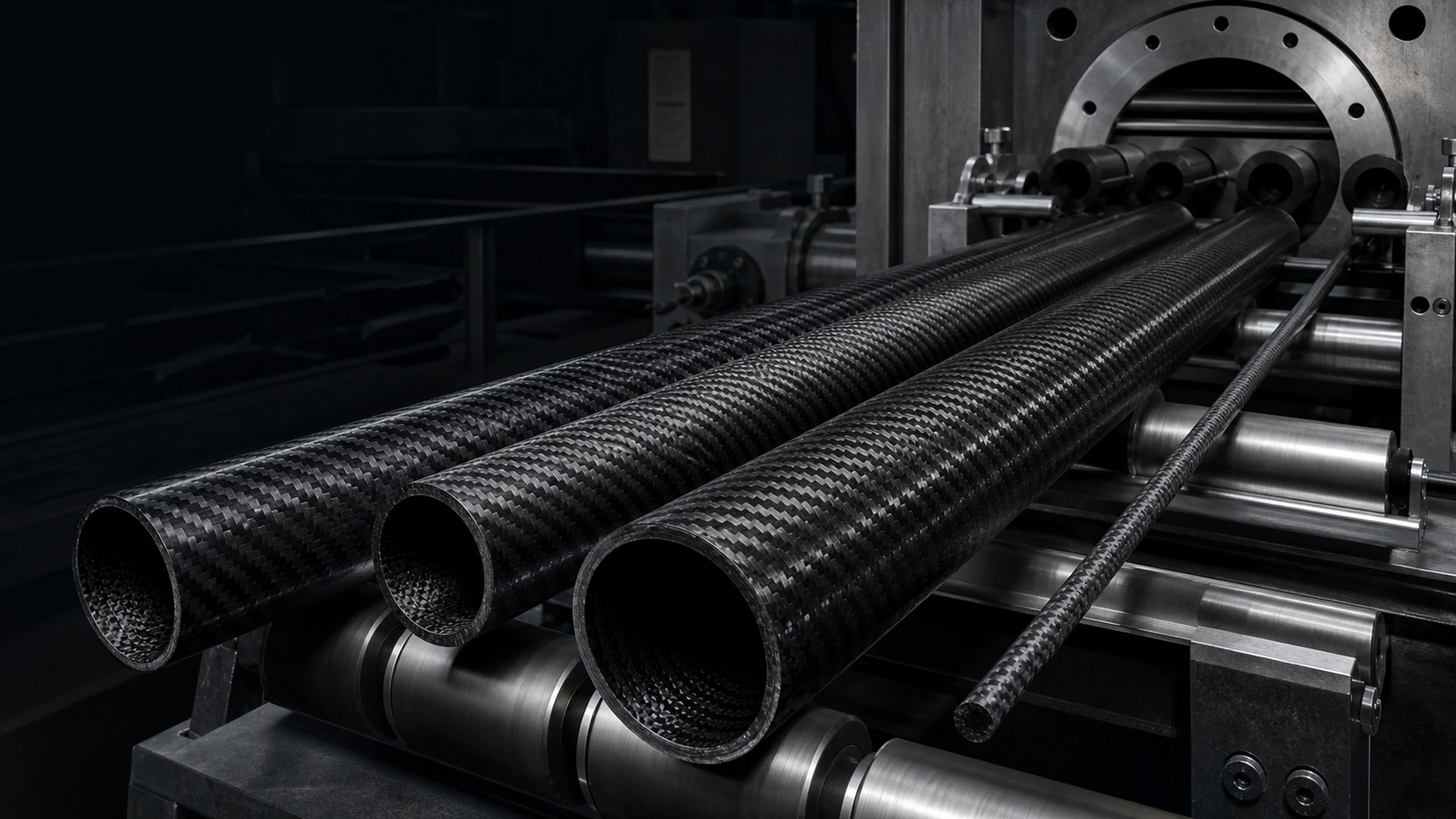
Specify a profile's section, length and service conditions. For tubes, outside and inside dimensions also matter. The detailed page connects blank geometry with finished product requirements.
Tube and rod manufacturing processes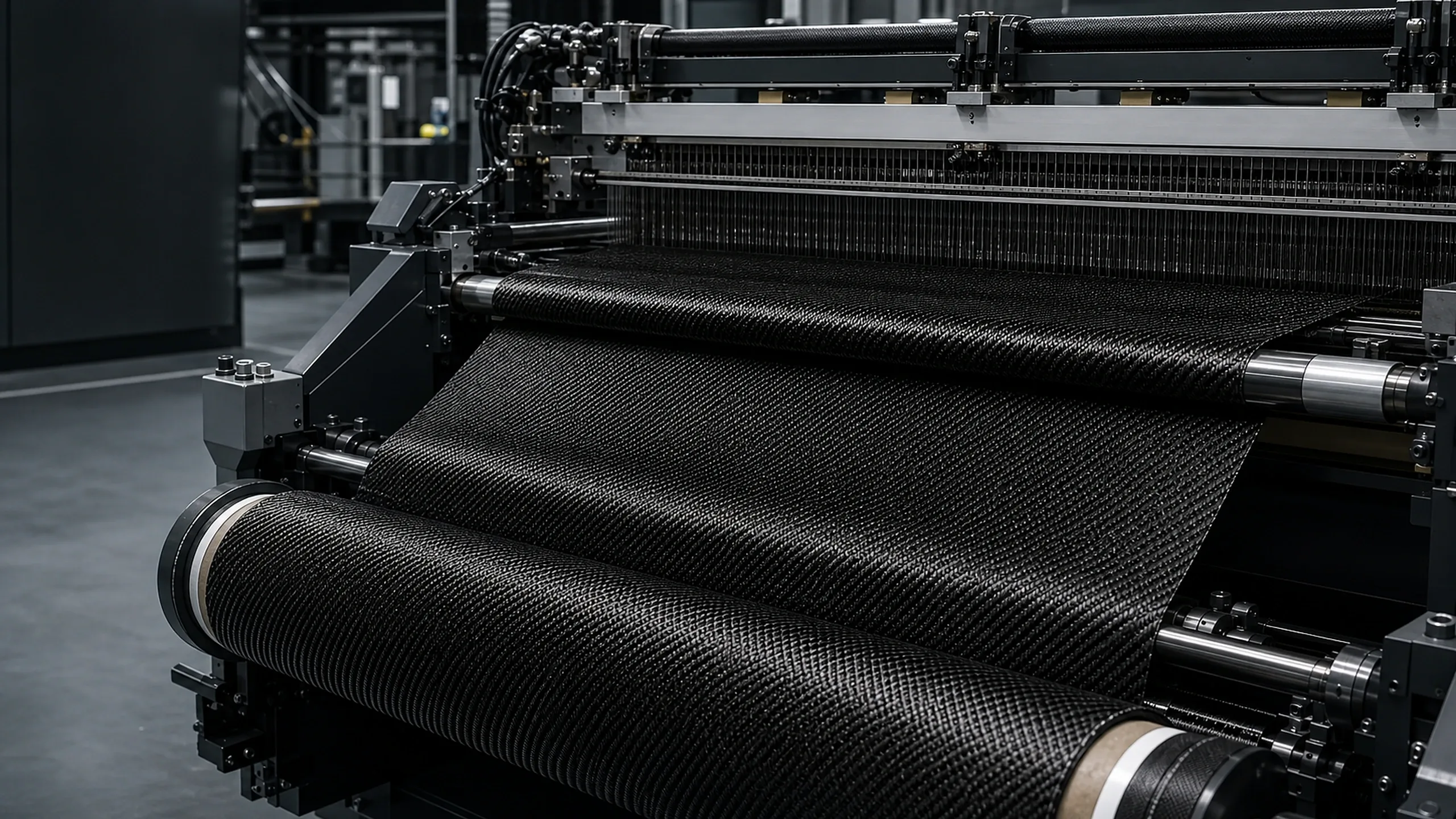
Fibre type, weave and areal weight describe different aspects of fabric selection. Learn which parameters to discuss for product reinforcement.
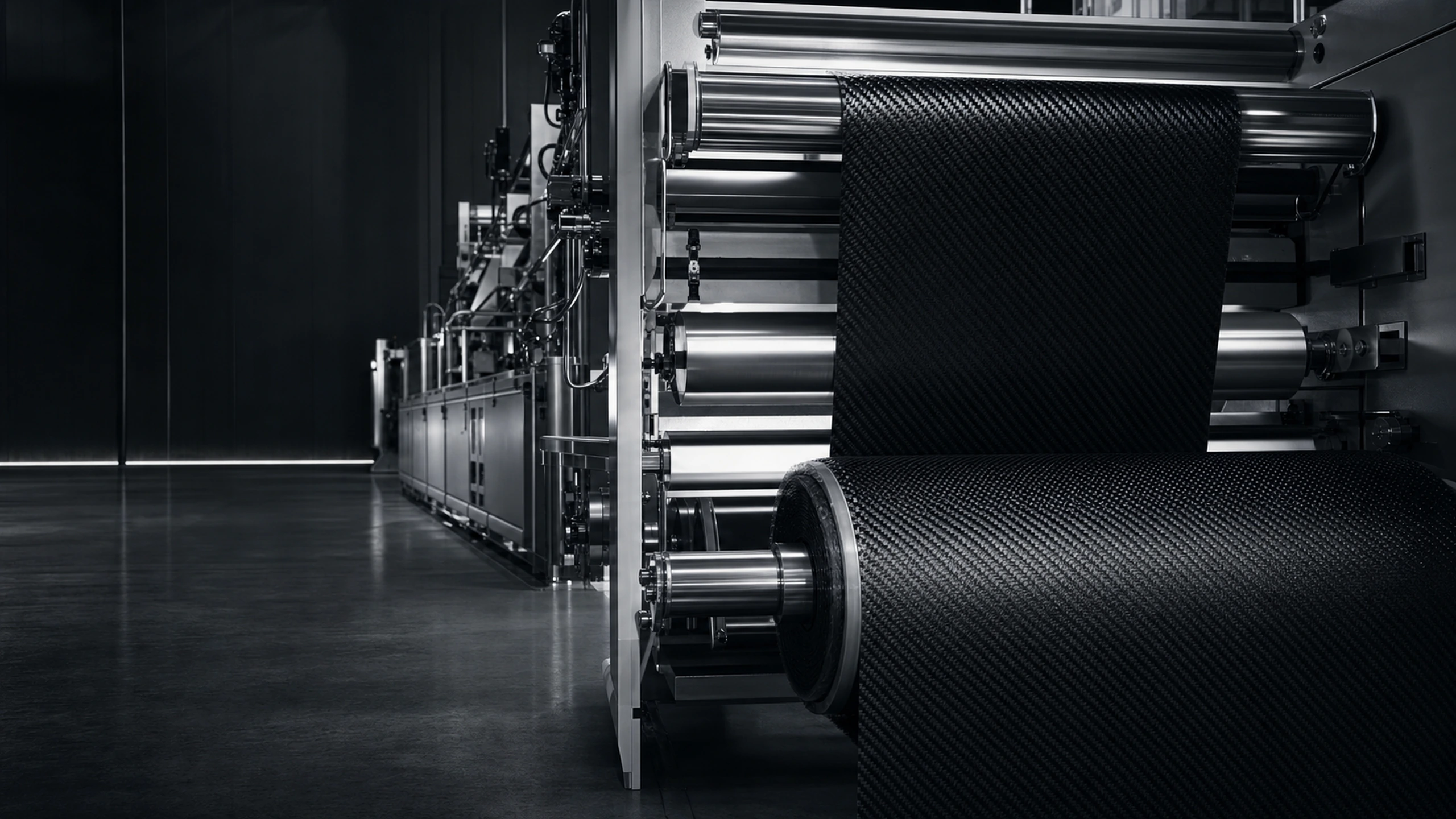
Reinforcement and resin are considered together with moulding conditions. The process guide explains which details are needed to discuss the material.
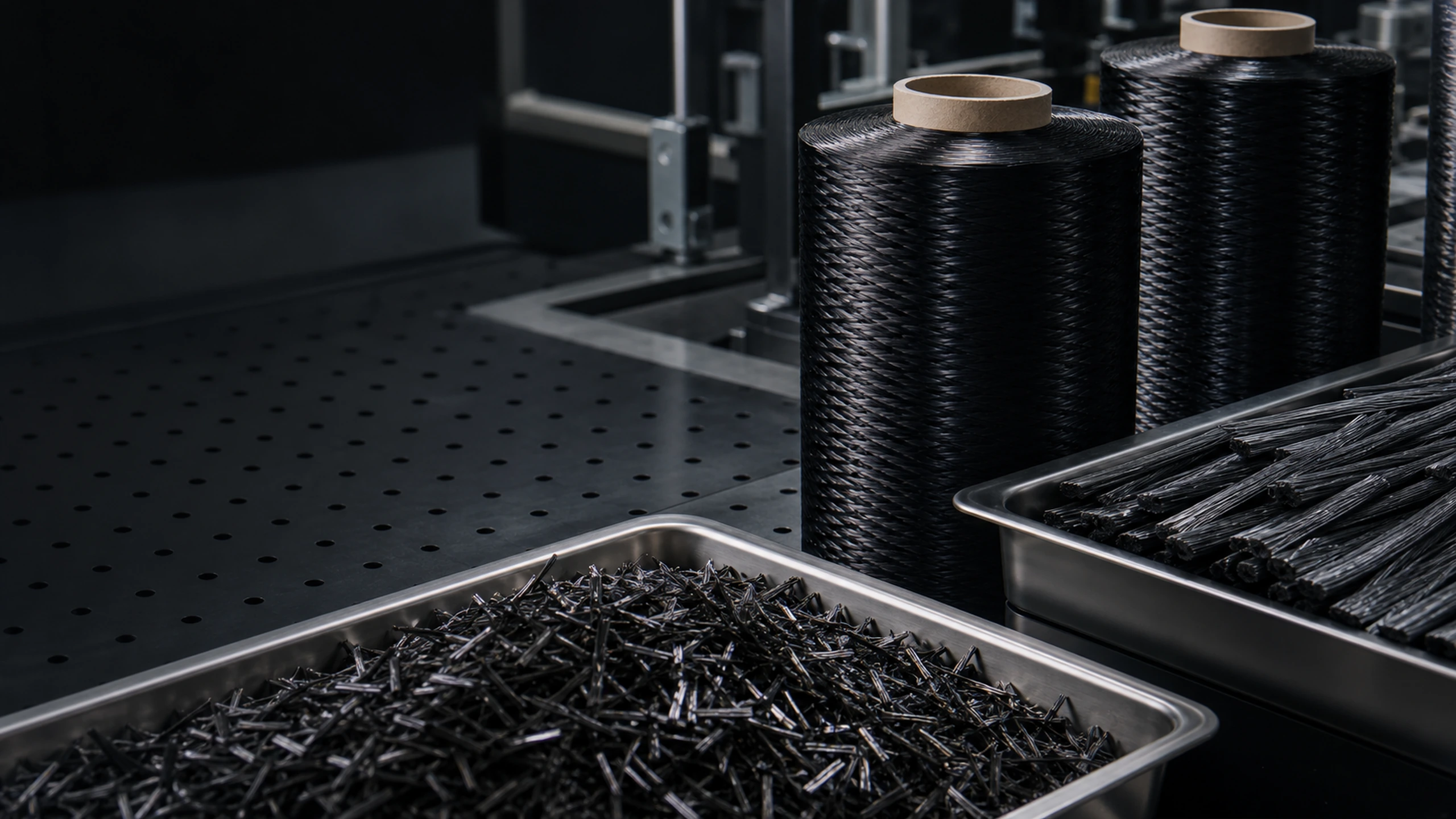
Raw material form is selected for the next process. The detailed section covers specifying tow, chopped fibre and powder.
Need ready-made material for your own project?
Open the materials catalogue05 / BEFORE CONTACTING US
This service works with carbon sheets in different sizes. Include the known blank dimensions and thickness, along with finished part geometry. Specific limitations are reviewed with your project package.
There is no single quantity for every project. State how many parts of each item you need now and whether repeat orders are planned. We discuss the minimum quantity for your set of parts.
Yes. A description, sketch or sample photograph can start the discussion. Provide the intended application and known dimensions. We first identify any missing information needed to assess manufacturing.
A photograph does not show the full batch or machining requirements. Transport to the destination must also be considered. Send quantities, project information, destination city and your preference for ground or air delivery.
Mark critical dimensions, fitting areas and the relative positions of fasteners. Add inspection requirements. Feasibility of the required tolerances is confirmed against the actual geometry, not a general service name.
Send the previous part identifier and confirm whether the drawing, material and quantity are unchanged. Highlight even small revisions: a repeat batch must use an explicitly agreed version of the brief.
06 / YOUR PROJECT
Tell us what you need to make from carbon sheet. If some parameters are undecided, say so: we can start with the information you have.
Open the CNC enquiry form info@cordtex-carbon.ruQUICK RESULTS